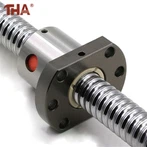
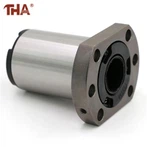
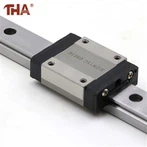
The linear guide rail system is one of the key components commonly used in modern industrial automation, which plays an important role in robots, CNC machine tools and other equipment. When installing and debugging the linear guide rail system, some key problems need to be paid attention to to ensure the normal operation and stability of the system.
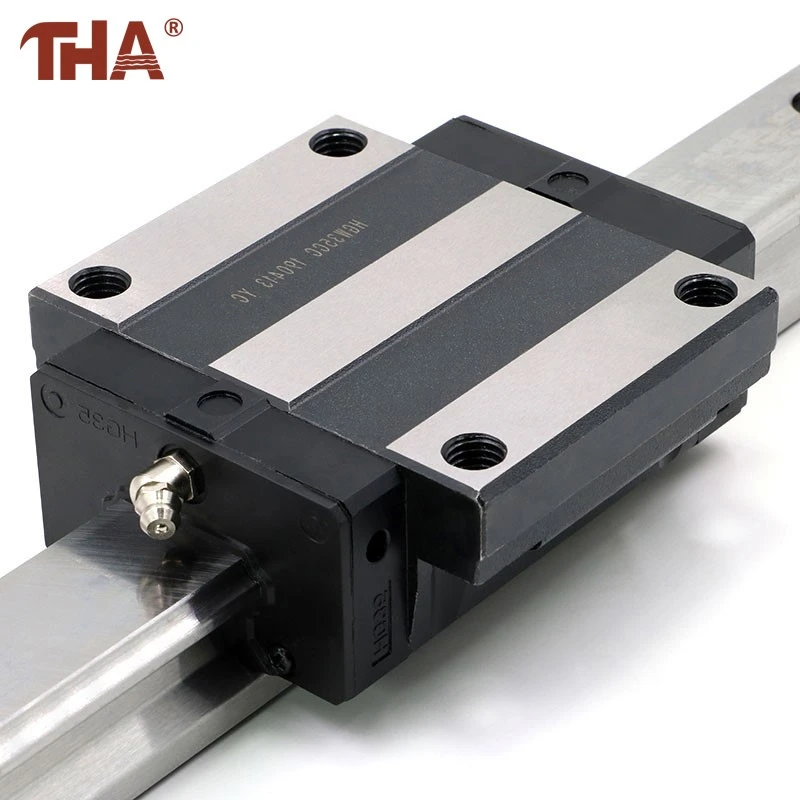
Before installing and debugging the linear guide rail system, some necessary preparations need to be made to ensure smooth progress. Read the relevant installation and operation manuals carefully to understand the structure, characteristics and working principle of the system. Need to prepare required tools and materials, including screwdrivers, wrenches, measuring tools, lubricating oil, etc. It is also necessary to ensure that the construction site is clean and tidy, so as to avoid dust and sundries from affecting the system.
The installation of linear guide rail system needs accurate positioning and adjustment. Before installation, carefully measure and mark the position and direction of the guide rail, and ensure its matching accuracy with other components or parts of the equipment. During installation, attention should be paid to avoid strong collisions, so as not to damage the linear guide rail or its accessories.
In the installation process, the fastening of bolts is an important link. It is necessary to select the appropriate bolt specifications and materials, and tighten them correctly according to the requirements to ensure the strength and stability of the bolts. Attention should be paid to the proper use of the torque wrench to avoid excessive or insufficient tightening force.
The stability of linear guideway system is closely related to the parallelism and verticality of guideway. In the installation process, tools such as level meter and vertical meter should be used to ensure that the parallelism and verticality of the guide rail meet the requirements. If adjustment is needed, fine adjustment can be made by means of adjusting screws or gaskets, so that the linear guide rail can reach the ideal installation state.

When debugging, it is necessary to check the motion stability of the guide rail. You can manually push the moving parts to see if there is any jam, vibration or instability. If problems are found, check the cooperation between the guide rail and the transmission device, balls or bearings, and make necessary adjustments and lubrication.
The positioning accuracy of linear guide rail system is very important for the working effect of equipment. In the debugging process, it is necessary to ensure that the positioning accuracy of the guide rail meets the requirements through detection and measurement. Optical measuring instruments or sensors can be used for detection, and adjustments and corrections can be made according to the detection results.
During debugging, it is necessary to carefully check the working state of the lubrication system. The supply of lubricating oil or grease should be sufficient and uniform, and the quality of lubricant should meet the requirements. Attention should be paid to the sealing performance and temperature control of the lubrication system to prevent failures and damages caused by poor lubrication.
The installation and debugging of linear guide rail system is a complicated process, and many key problems need to be paid attention to. Preparations, positioning and installation during installation, fastening of bolts, parallelism and verticality of guide rails, as well as motion stability, positioning accuracy and working state of lubrication system during debugging need special attention. Attention should be paid to safety precautions to ensure personal safety and normal operation of equipment during construction. Only after careful installation and debugging can the linear guide rail system exert its best performance and provide reliable guarantee for the efficient operation of the equipment.
Whatsapp/wechat:17769815516/ 18157863895
Email:admin@gyballscrew.com
gykristyliu@gmail.com
judith@gyballscrew.com